Time: 109 Minutes
Age Rating: R16 – Graphic violence, cruelty, offensive language, drug use & nudity
Cast:
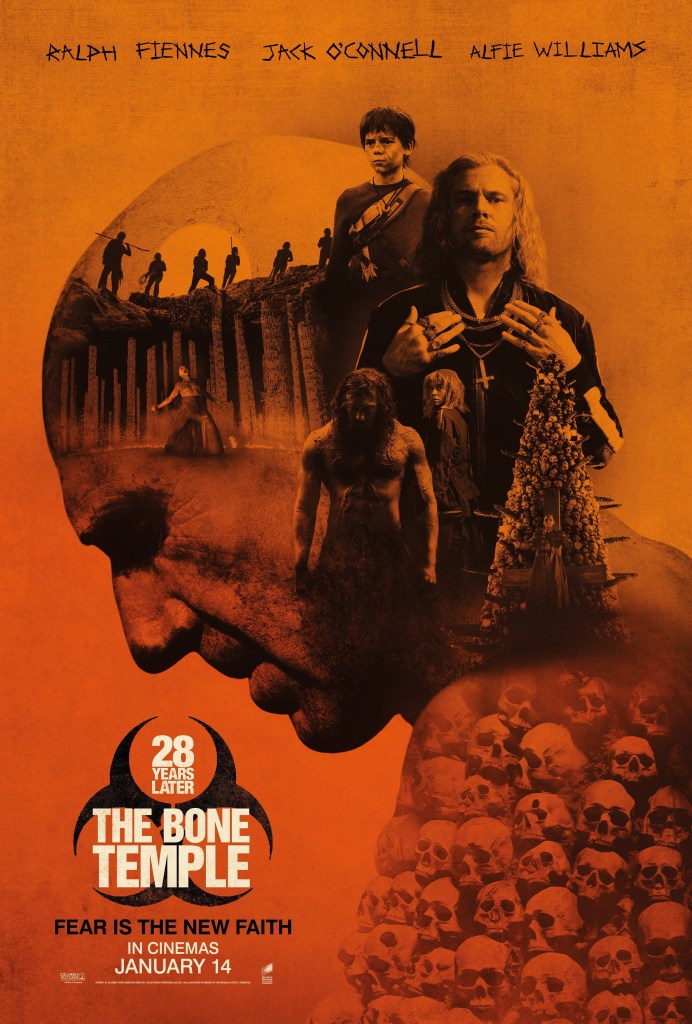
Ralph Fiennes as Dr Ian Kelson
Jack O’Connell as Sir Lord Jimmy Crystal
Alfie Williams as Spike
Erin Kellyman as Jimmy Ink
Chi Lewis-Parry as Samson
Director: Nia DaCosta
![full_star[1]](https://the-cinema-critic.com/wp-content/uploads/2014/09/full_star1.png?w=300)

28 Years Later: The Bone Temple was one of my most anticipated movies of 2026. I loved 28 Years Later and naturally I was looking forward to the follow up, which was filmed back to back with its predecessor, and with some of the main cast returning and now under the direction of Nia DaCosta. I had high hopes and it definitely delivered.
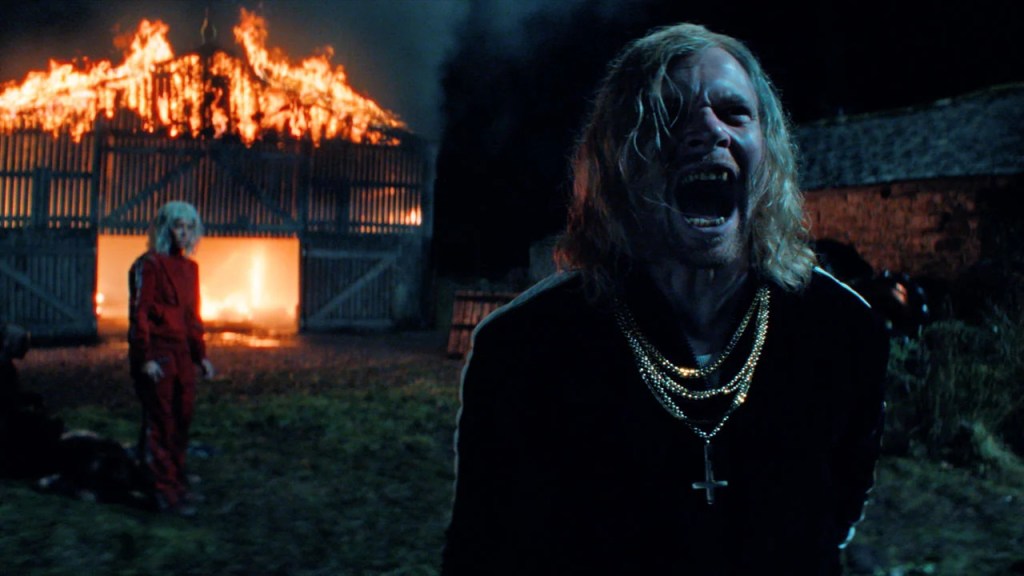
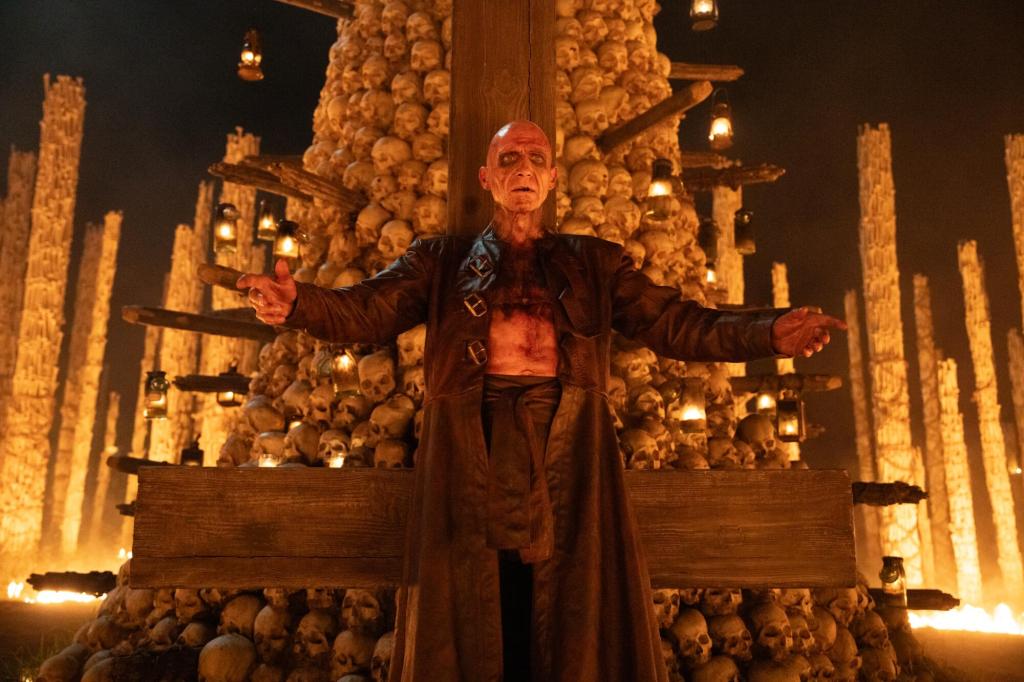
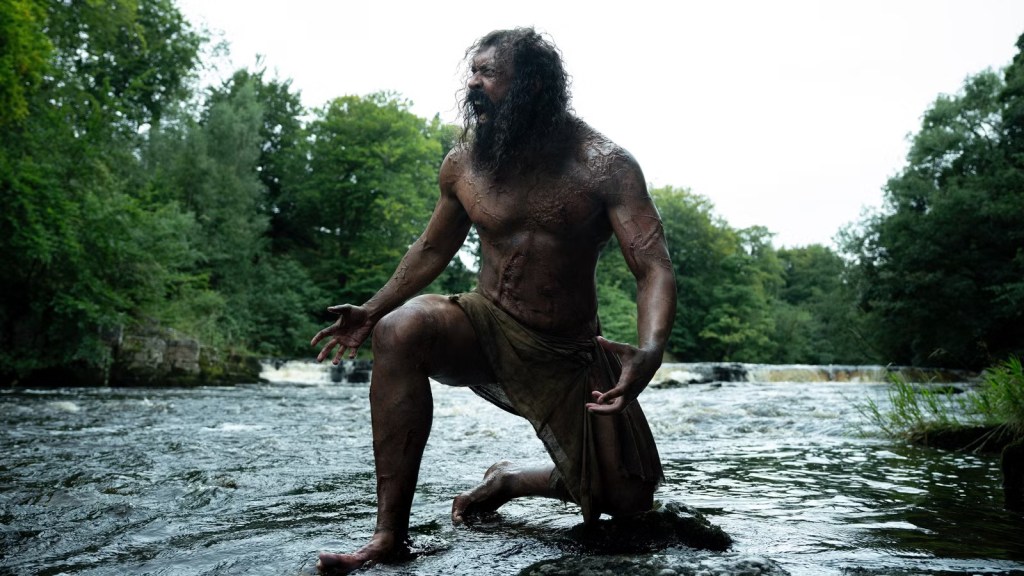
I will say that having watched The Bone Temple, I was slightly surprised that the movie got this much general audience approval and reception. Of the 4 movies in the series, it’s easily the least conventional ‘zombie movie’, and it is the weirdest film in the franchise. Also, while the series isn’t that focused on the zombies and explores other things than just solely the infected (outside of 28 Weeks Later), The Bone Temple has probably the least number of infected, and there are even less instances of them being an actual threat to characters here. It also doesn’t worldbuild or expand as much since the last film; 28 Years Later established locations and environments and new types of mutations, and The Bone Temple very much plays within this ball pit. However, I think that was fitting with where the story goes and with its more intimate approach. There are two main storylines, one focussed on Ralph Fiennes’s Dr Ian Kelson, and the other on Jack O’Connell’s Jimmy Crystal and his gang of his Jimmies, which includes 28 Years Later protagonist Spike (Alfie Williams) after their encounter at the end of the last movie. Kelson’s storyline primarily involves the alpha infected Samson (who gets a much bigger role here than in the last movie) and was surprisingly, powerful, quiet, endearing and compelling, and my favourite part of the film. I loved seeing the relationship and dynamic between the two, and honestly I could’ve watched a whole movie solely focused on that. The Jimmy storyline is also quite good and tonally very different, much more twisted and dark in comparison. That storyline did have some room for growth though, largely with most of the Jimmies being underdeveloped and they could’ve done a little more with Jimmy himself. Eventually these storylines intersect with each other and they work surprisingly well together considering how different they are. The tone is handled really well, it’s darker and more violent since the last movie, but also still has some surprising humour which fits. There’s also still a lot of humanity despite the twisted things that happen. Thematically there’s a lot here with existential ideas such as the darkness of humanity, religion and how people cope following disaster. I think one of my biggest problems with The Bone Temple in comparison to its predecessor is that it was a little less emotionally grounded and was lacking in that area in the way that 28 Years Later wasn’t. I was nonetheless engaged with everything in the movie from beginning to end. It concludes with such a memorable third act that delivers on a high note. Without getting into the specifics, The Bone Temple also ends at a fitting point which would directly lead to the now greenlit 28 Years Later: Part 3 and I’m excited to see what they do from there.
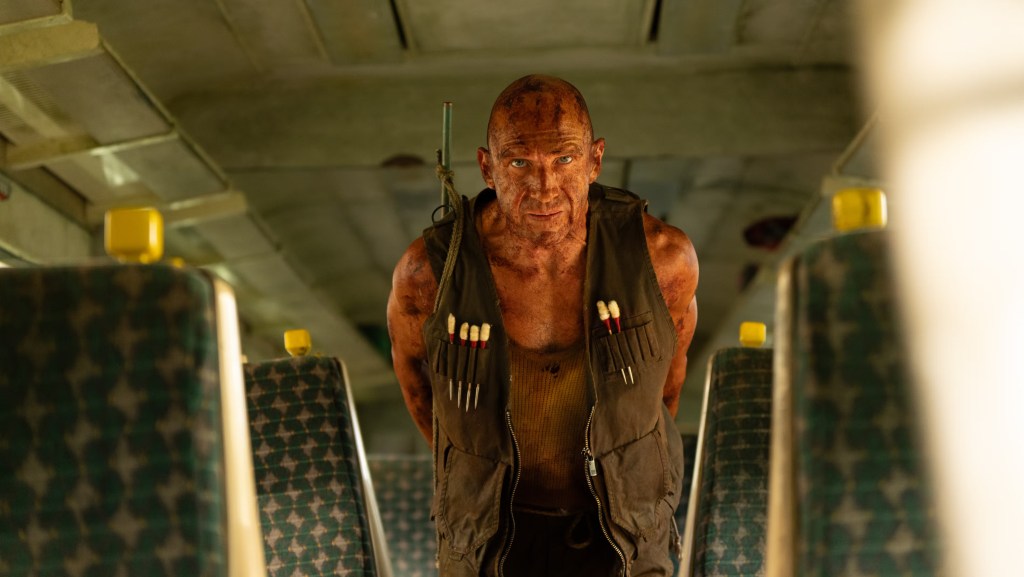
Ralph Fiennes was one of the most memorable parts in the first 28 Years Later. He was just in its third act, but takes the lead role in The Bone Temple, and cements his eccentric, tragic and likable character of Ian Kelson as one of his best performances and roles. Jack O’Connell plays the main villain Jimmy Crystal, who was introduced at the end of the last movie. Jimmy is played very well, coming across as deranged, demented and menacing yet also charismatic, goofy and funny, and O’Connell and Nia DaCosta found the right balance for him. Alfie Williams as Spike was the protagonist of the last movie, but in The Bone Temple he is put a bit on the back burner in a supporting role as he finds himself trapped as one of Jimmy’s satanic followers. Once again, Williams is good in his role and is convincingly vulnerable in his new predicament, though he has much less to do here and I think the movie is worse for it. I understand that Kelson and Jimmy are the major players of The Bone Temple and that Spike’s story is largely tied into the latter’s already. But I just wished that there was more of a focus on him here, as his development was so important in the last movie and there’s less of it here. The followers of Jimmy played their roles well, although they aren’t really that characterised and individually not that memorable. There’s a couple of exceptions, Emma Laird made the most of her screentime. Most of all, Erin Kellyman ends up being one of the standouts from the whole film and made for an intriguing character to watch. I especially liked the dynamic between her and Alfie Williams. Chi Lewis-Parry also returns as Samson, who largely served as a physical antagonist force in the last movie, but has much more of a key role in The Bone Temple. He does such a great job conveying his emotions and changes, he has an amazing storyline with Kelson and I loved the scenes between him and Fiennes.
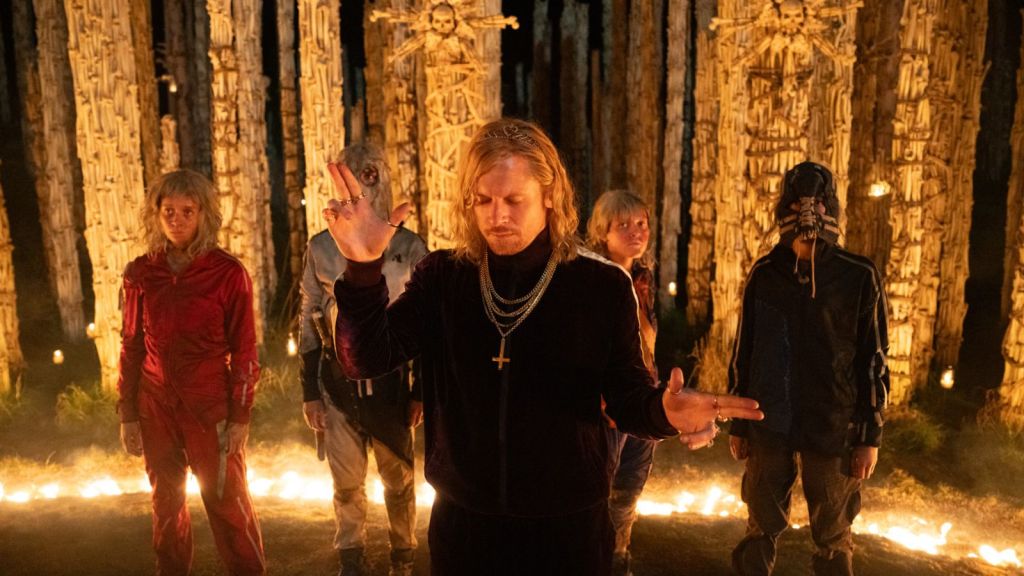
Nia DaCosta’s direction is really strong, this is her best film yet. Taking over from Danny Boyle isn’t easy considering he had such a distinct style for 28 Years Later. DaCosta wisely chooses not to replicate his style and has a far more steadier direction, far less experimental and crazy. You especially see this in the scenes involving the infected, and while there are sprinkles of that fast and erratic editing in some of those scenes, most of them do feel a little standard and lacking Boyle’s style. Then again, the movie has considerably dialled down on the infected in the movie so it doesn’t matter nearly as much. I also think DaCosta’s more restrained direction was suitable for this particular (more meditative) entry in the trilogy. It doesn’t hold back on the violence, despite being less heavy on the infected, it is nonetheless appropriately gnarly and gory. The cinematography is stunning with some beautiful scenery. The score from Hildur Guðnadóttir is decent enough, but the needle drops were amazing and worked incredibly well, in fact I think The Bone Temple is probably one of the best ‘needle drop films’ in recent memory. Without spoiling things, there are some incredible sequences, especially towards the end.
28 Years Later: The Bone Temple is a creative, intriguing, twisted and satisfying horror sequel, strongly directed and with stellar performances, especially from Ralph Fiennes and Jack O’Connell. With this, I’ve really started 2026 off on a high note, and I’m incredibly looking forward to the next film in this trilogy.
 The Cinema Critic
Leave a comment