Time: 157 Minutes
Age Rating: M – Drug use & violence
Cast:
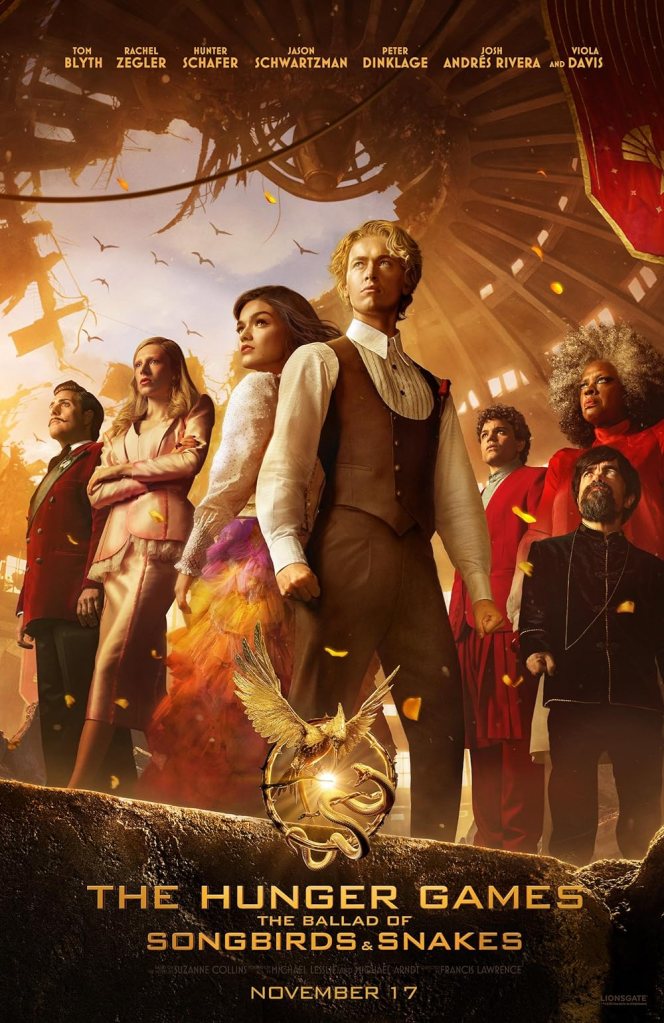
Tom Blyth as Coriolanus “Coryo” Snow
Rachel Zegler as Lucy Gray Baird
Josh Andrés Rivera as Sejanus Plinth
Viola Davis as Dr. Volumnia Gaul
Peter Dinklage as Casca “Cas” Highbottom
Jason Schwartzman as Lucretius “Lucky” Flickerman
Hunter Schafer as Tigris Snow
Director: Francis Lawrence
![full_star[1]](https://the-cinema-critic.com/wp-content/uploads/2014/09/full_star1.png?w=300)

The era of the YA adaptations seemed to have been left behind in the 2010s, and among the better franchises to come from this was The Hunger Games. The first movie was decent and its follow up Catching Fire was even better. However, the two parter conclusion of Mockingjay left people a little mixed even though I liked them. In my recent rewatches of these four movies, they do hold up very well despite their flaws. Those rewatches were in preparation for the adaptation of The Ballad of Songbirds and Snakes, a prequel novel written by Hunger Games author Suzanne Collins which focuses on a younger version of main villain President Snow. While I had doubts, I was certainly intrigued since the concept of the novel is very different from what you’d expect from a Hunger Games story. It ended up being one of the biggest surprises of the year for me.

First and foremost, it definitely has a different structure from the other Hunger Games movies. The games are a notable part of the story like in the first two movies, but it isn’t necessarily the main focus here. Essentially, The Ballad of Songbirds and Snakes at its core is a character study and dystopian tragedy focussing on Coriolanus Snow. The Hunger Games movies had done a good job at not shying away from the darker elements and horrors in the story, and this prequel is no exception. With this being a Snow origin story, it is by far the darkest Hunger Games movie. I’m sure that not everyone will feel the same way, but I was pretty invested in the story and didn’t really lose interest at any point, and the twists and emotional gut punch moments hit as intended. Also with this being a prequel set in a different time and in showing different perspectives, we get to see more about this setting. In the Hunger Games movies, while we got a look at the Capitol, we were always an outsider, and this time we get to have a perspective from inside, albeit 50+ years earlier. With that, there is a lot of information dumped onto the audience especially through expositional dialogue. It didn’t necessarily feel heavy handed, but I wish there was more time to process it. The film is split into three distinct parts, with the second part mainly focussing on the game. I wasn’t really expecting much from this aspect, since it seemed clear going in that it wasn’t the most important thing of the story, but it was handled better than I was expecting. You really don’t remember much of the other tribute characters compared to those in The Hunger Games and Catching Fire, but somehow the deaths do have more impact compared to most of the deaths in those movies. Overall, the game was handled well for it was, with some really good set pieces and tension.
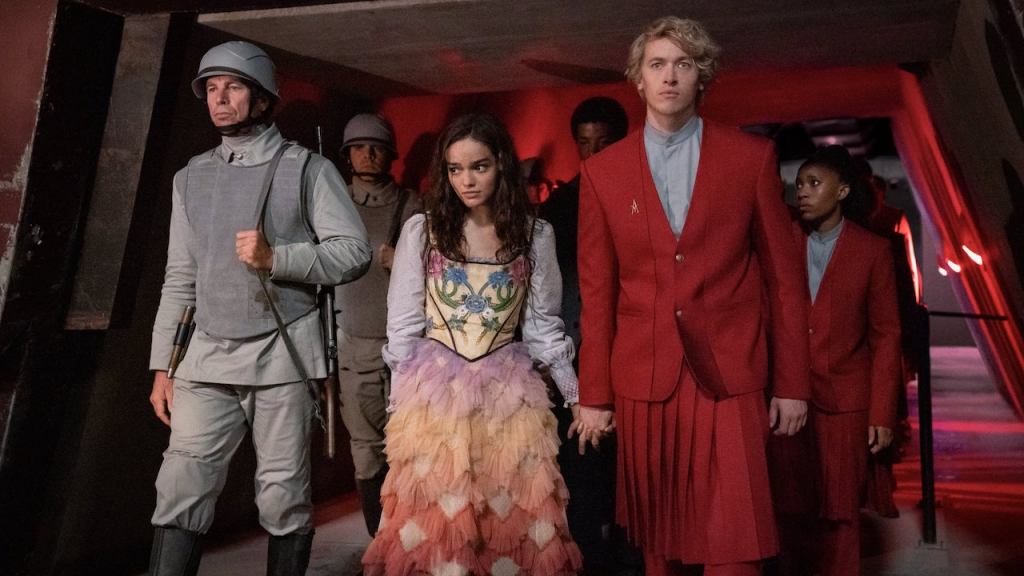
The third act is where people will be most divided as it goes in a very different direction than most would expect, and from reading reactions of those who had previously read the book, these issues were present in the source material too. Going into the movie, I knew that the direction in the third act would be different and so this helped my expectations and experience. However, other people would find this shift to be jarring, especially with the stark change in pacing. I noticed that one of the biggest points of contention was the long runtime of 2 hours and 40 minutes, which was intimidating to many, but intrigued me. You can tell that Francis Lawrence and co. wanted to avoid the criticism of Mockingjay and deliberately opted to not split it in two parts, and I agree that this was the right choice. If anything, I felt like this movie could’ve been closer to 3 hours, and would have benefitted from that, especially since it was already over 2.5 hours. I was interested in the world and characters here, and I wanted to learn and see more. There’s especially parts in the last 10 minutes where it felt like you needed to fill in the blanks of what happened. Also, despite the runtime, it felt a little overstuffed, and if it had a bit more time it could’ve told its story better. With this being a prequel, there are definitely references and callbacks to the main Hunger Games movies. Some of these are expected such as the use of the Hanging Tree song, however some pieces of dialogue are very on the nose and blatant, perhaps overstepping a bit. That said, it only happens in a few instances that it isn’t too much, nothing worse than your modern comic book movie.
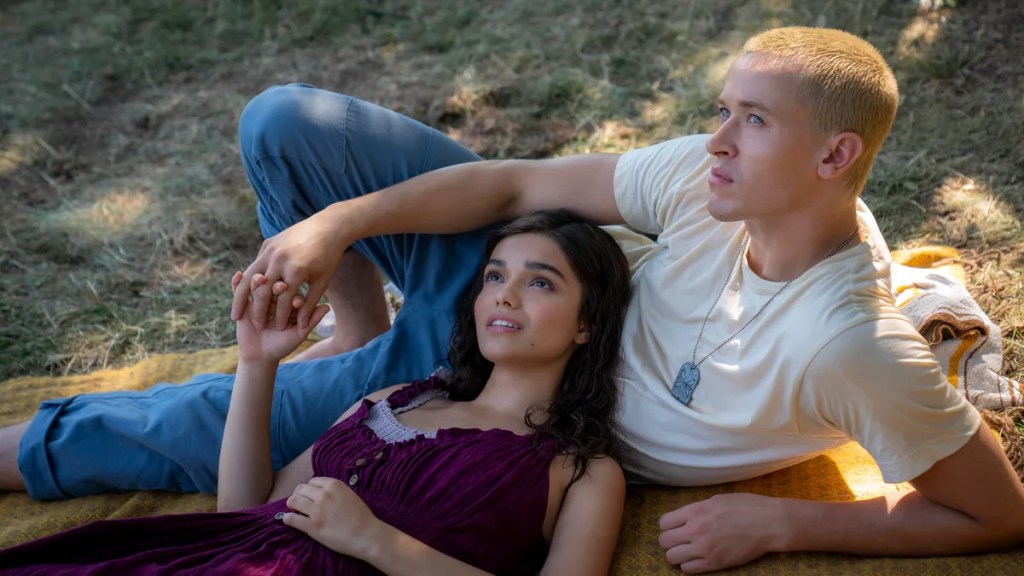
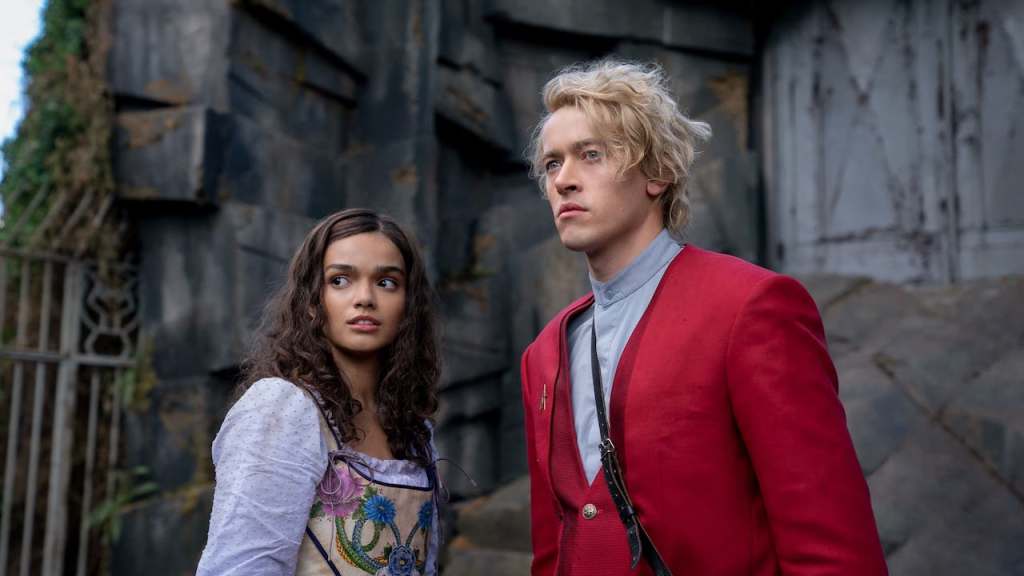
The acting is definitely one of the movie’s biggest strengths. With this being a Coriolanus Snow prequel, one of the critical parts was getting the casting of the younger version of the character just right, and thankfully Tom Blyth was a great pick. First of all he has the perfect look and is very convincing as a younger Donald Sutherland (who played Snow in the Hunger Games movies). But he also is shown as a very dynamic character and we get to see many different sides to him. He has sympathetic qualities but we also see the descent to him becoming the Snow we know from the main story. Blyth does incredibly well at conveying his origin story and his character. Rachel Zegler is also really good as a District 12 tribute, who Snow is assigned to mentor. She delivers on the emotional scenes, the scenes of action and especially in the scenes of her singing. The chemistry between her and Blyth is strong and believable enough, which is necessary for this movie. Hunter Schafer makes the most of her screentime and is compelling in her scenes, and Josh Andres Rivera delivers some of the most emotional scenes of the movie. Peter Dinklage is great, and Jason Schwartzman is very funny and entertaining as the host of The Hunger Games (and is definitely an ancestor of Stanley Tucci’s character in the main movies). Viola Davis is also a standout as the head gamemaker, chewing the scenery whenever she’s on screen and leaving a strong impression.
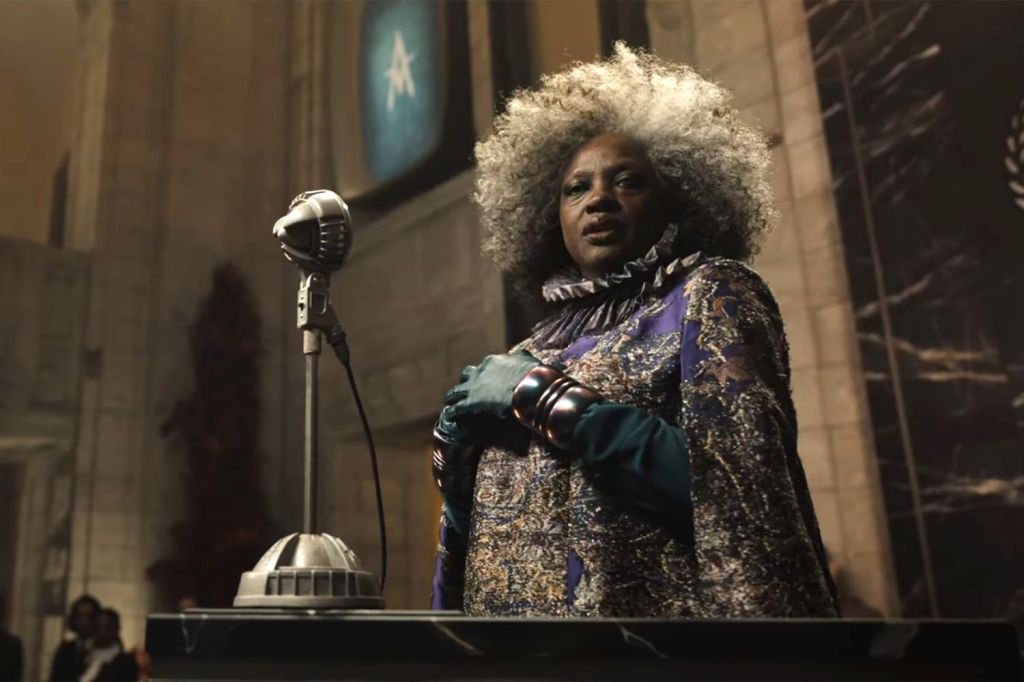
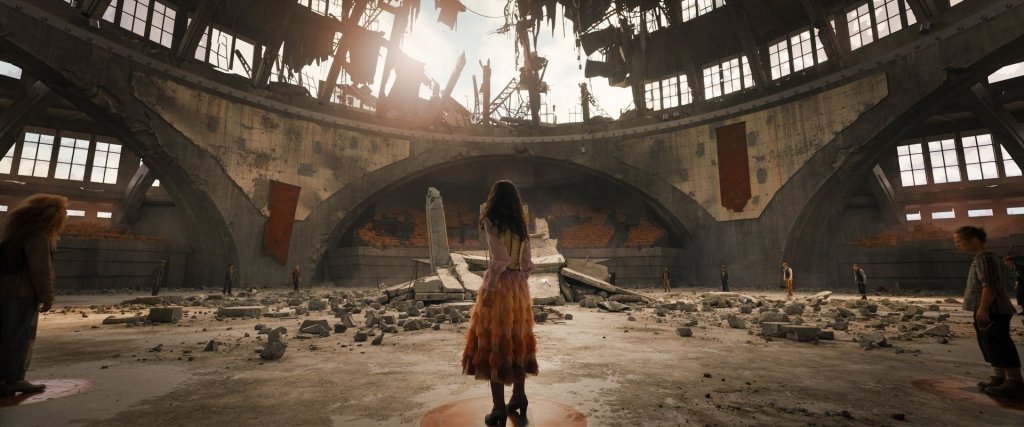
Francis Lawrence returns to direct after making most of the main Hunger Games movies, and once again he delivers some good work here. In fact, on a technical front, it is probably the strongest of the series. The cinematography is stunning, and the production design and costume designs are stellar. They do very well at making the locations feel very lived in and convincing. The action scenes and set pieces (mostly in the game segment) are quite good. At first, the wide angles and sweeping camerawork were a little jarring, but after a while I thought it worked. Considering that it’s the 10th annual Hunger Games and not the 74th, the game is just confined to a single arena and so it isn’t given quite the creativity seen in The Hunger Games and Catching Fire. However I did like the simplicity and how primitive it was. The VFX isn’t quite as heavy as in the past movie and is fairly used well. The score from James Newton Howard is great, as is the soundtrack of original songs used throughout (many of which are sung by Rachel Zegler).
The Hunger Games: The Ballad of Songbirds and Snakes is an impressive, intriguing, and compelling prequel which benefits from its strong direction and fantastic cast. I’d consider it to be one of the best movies in the series alongside Catching Fire. It definitely has some issues, mainly suffering from the overstuffed plot which potentially could have benefitted from a longer runtime. Overall though, I was very satisfied with what we got here.

 The Cinema Critic
Leave a reply to Top 25 Best Films of 2023 – The Cinema Critic Cancel reply