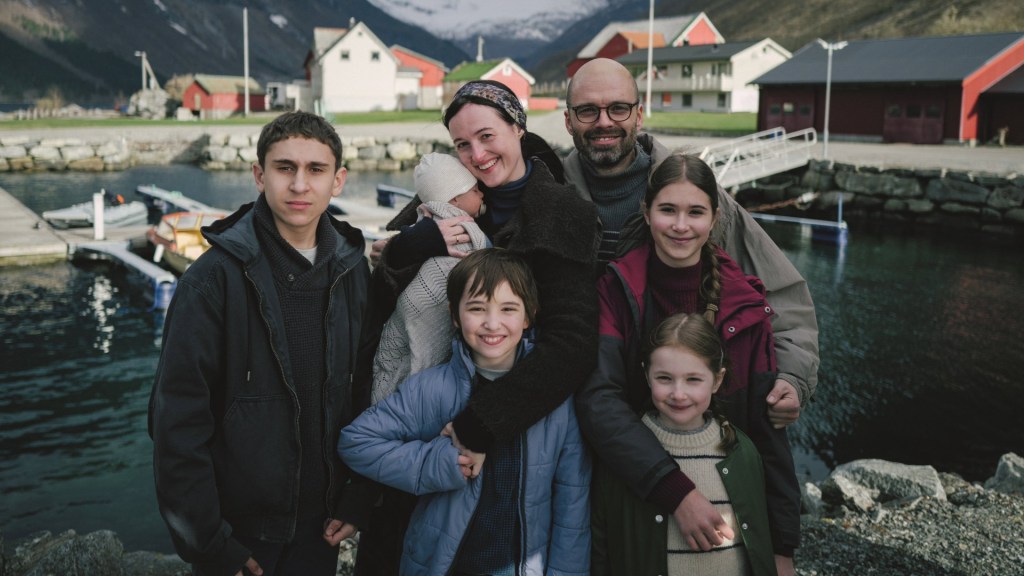
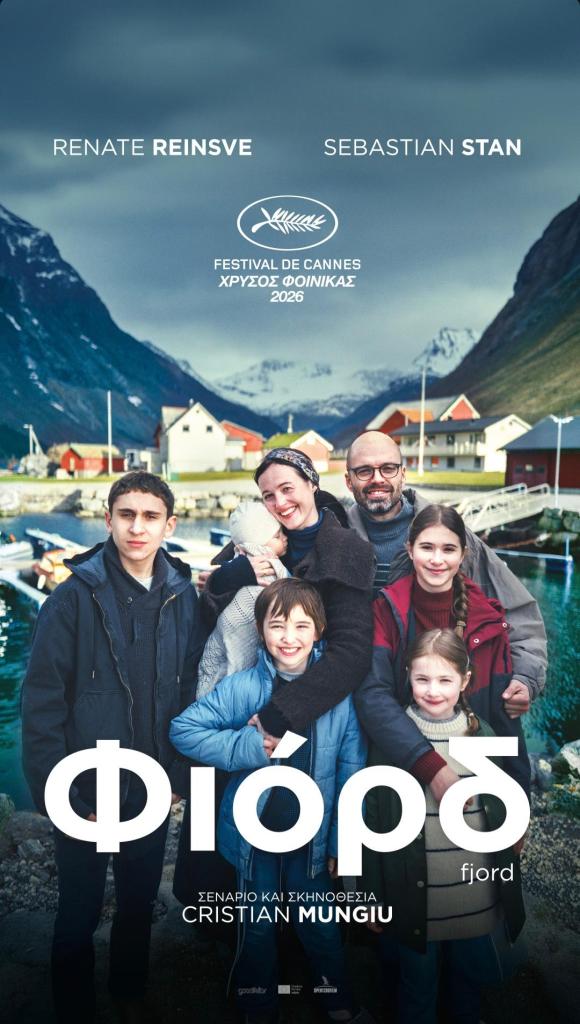
Time: 146 Minutes
Age Rating: M – Child sexual abuse, Offensive language, Self-harm & offensive language, Suicide themes
Cast:
Sebastian Stan as Mihai Gheorghiu
Renate Reinsve as Lisbet Gheorghiu
Director: Cristian Mungiu
![full_star[1]](https://the-cinema-critic.com/wp-content/uploads/2014/09/full_star1.png?w=300)

I was interested in Fjord just for the positive reactions it was receiving, including it winning the Palme d’Or at Cannes. I also knew that Sebastian Stan and Renate Reinsve were in it, but otherwise I knew next to nothing about it going in. Overall, I would say that it’s decent, even if I wouldn’t consider it “Palme d’Or material”.
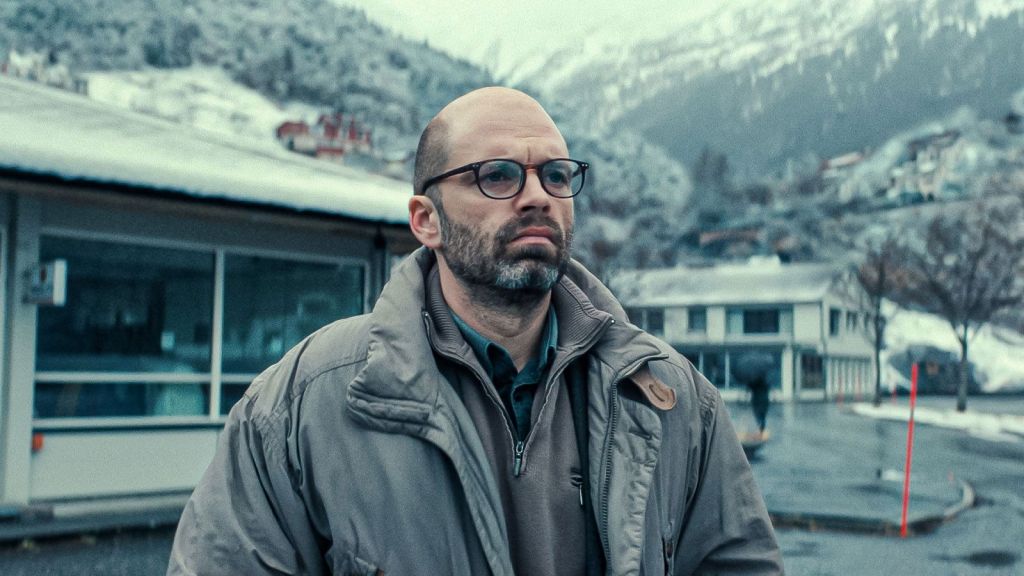
In order to properly convey my thoughts in this review, I will need to get into some minor spoilers, in which I talk about the premise and plot aspects, mostly in the first act. After my viewing, I found out that Fjord was actually based on a real life story. I’m not familiar with that true story, so my opinion on the movie is purely about it as a movie. Fjord started off pretty well for me, the audience were essentially put into the position of having to root for people whose views they might not exactly agree with, and I was intrigued to see where it would go. The movie aims to cover a lot of topics with potential, including cultural differences and clashes. At times, Fjord is effectively uneasy, uncomfortable and frustrating to watch (intentionally), and the incitement towards the end of the first act which kicks off the plot of the movie is where the film is at its strongest. Unfortunately, it isn’t able to sustain that momentum for the rest of the runtime. Getting directly into the plot, Fjord is essentially about a Romanian Evangelical family who move to a comparatively progressive village in Norway. After bruises are seen on one of the children, they are taken in by Child Protection Services, and an investigation into the parents is launched and a legal battle is sparked. The remainder of the movie is a legal drama about the parents trying to get their children back. I was curious to see where the movie would take this concept, and I was on board throughout. I was holding out hope for something thought provoking and complex. I don’t think they succeeded at that, and it gets worse the more I thought about it afterwards.
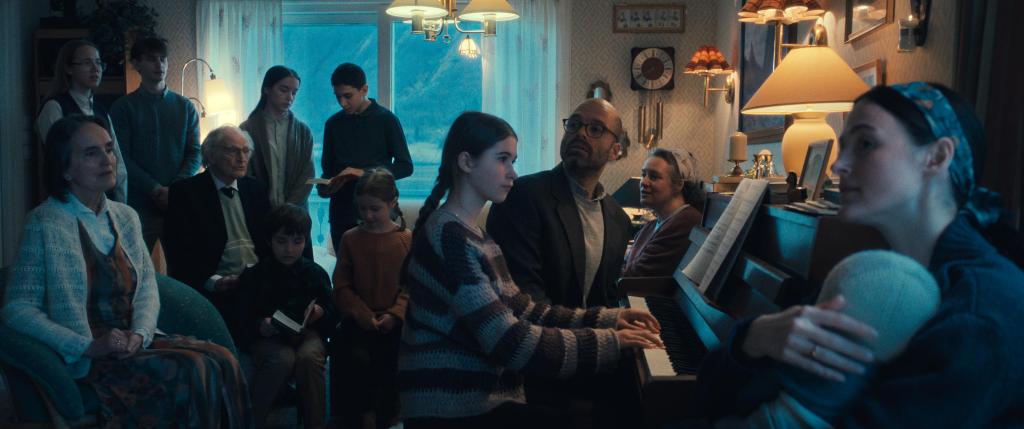
Fjord initially presents itself as a complex and nuanced movie with a lot of depth, but looking back at it, it was far more one dimensional and shallow. The movie doesn’t do much more than what the premise presented in its first act, and in multiple ways felt underdeveloped. The cultural differences are made clear early on, especially with the conservative religious family clashing with the more progressive Norwegian society, and it’s also pretty clear that the decision to take the children is driven by the latter’s opinions on the family’s religious views. That said, these cultural differences aren’t really explored beyond the movie acknowledging that the differences exist. Fjord also presents itself as having a neutral position, it definitely isn’t neutral. Here’s another small spoiler to make my point: while the film is established that the parents did inflict some comparatively minor forms of physical abuse when the kids were younger (i.e. slap on the bum), it very clearly frames the parents as being innocent of the inciting situation (the visible bruises on the children). While I wouldn’t say that the movie presents the parents as being perfect people, it is at least sympathetic to them, especially in contrast to how Child Protection Services is portrayed. I don’t want to get into whether the depiction of CPS is accurate at all or not, but I have issues with it even just judging it as a movie. At first, I was willing to give some grace to the initial cold portrayal of the CPS, expecting that the movie would dig into things or open up to becoming something more substantial and complicated. That did not happen, Fjord takes a heavy handed approach to make them seem like this inhumane almost cartoonishly evil institute. It’s especially bad when you have the main characters and the CPS characters in the same room, with the contrast of having the protagonists feel somewhat like real people and the CPS coming across as an intolerant and malicious institute that hates religion and wants to take children away from their parents. I may have bought into the initial premise, but with the lack of depth in the remainder of the movie, the whole scenario felt contrived and difficult to take seriously.
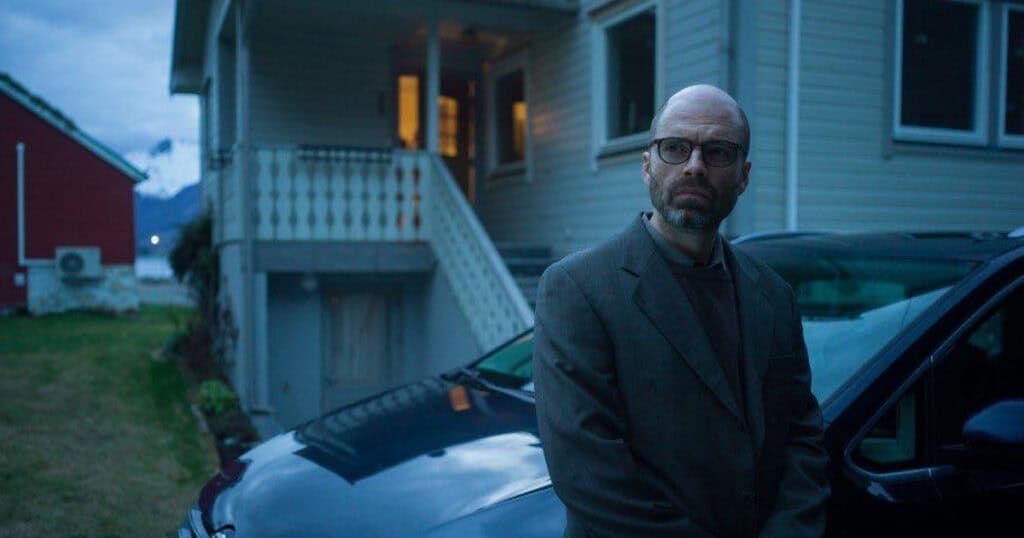
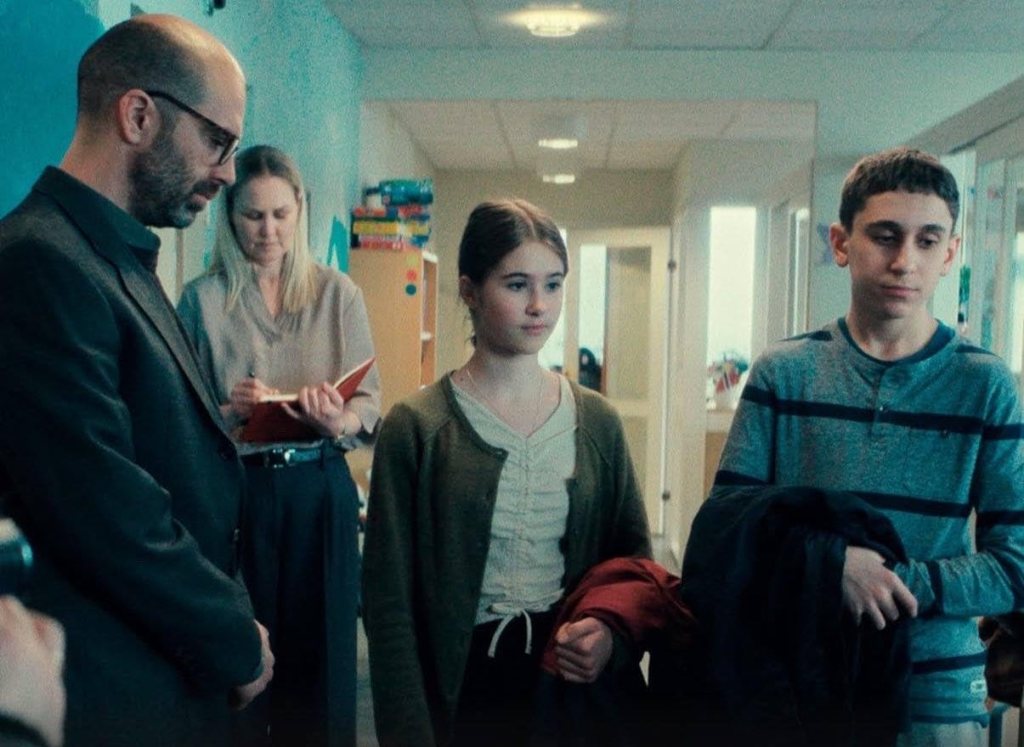
I may have been fairly engaged with the story on this first viewing, but I couldn’t help but feel that I was being kept at arms length throughout. It has a very detached approach, and while it favours and sympathises with its lead characters, it doesn’t want to try to understand them. The two leads aren’t even fleshed out all that much, but they have far more going on with them compared to everyone else. Outside of maybe one other character, the rest of the adults are at best underdeveloped and unexplored, and the rest are just figureheads for ideas, either that or they are self righteous ‘woke’ progressive caricatures that you’d probably see in a Daily Wire movie. I think the most damning issue is the perspective of the kids, or rather the lack thereof. You get a decent amount of time focussed on the children in the first act, then after they are taken in by the CPS, you only get glimpses of them in the remaining two acts in which they are feeling fine but wanting to return to their parents. There’s a moment in which the CPS are questioned about them not directly asking the children how they got the visible bruises, and that is never followed up on. In the first act, it felt like an intentional choice, but the fact that such an obvious thing is never followed up on was aggravating. It didn’t feel like a choice to make things ambiguous and up for interpretation (like you’d see in a movie like Anatomy of a Fall), it actually felt like they didn’t want to commit to an answer or just plain forgot to do so. But that’s not even the worst part of it, there’s really no moment in which the children are given a moment to question or reflect on their situation, which really was the most important thing. There’s some irony about the parents and the CPS supposedly both wanting to do what’s best for the children, but nobody asks what the kids actually think or want, not even the movie itself.
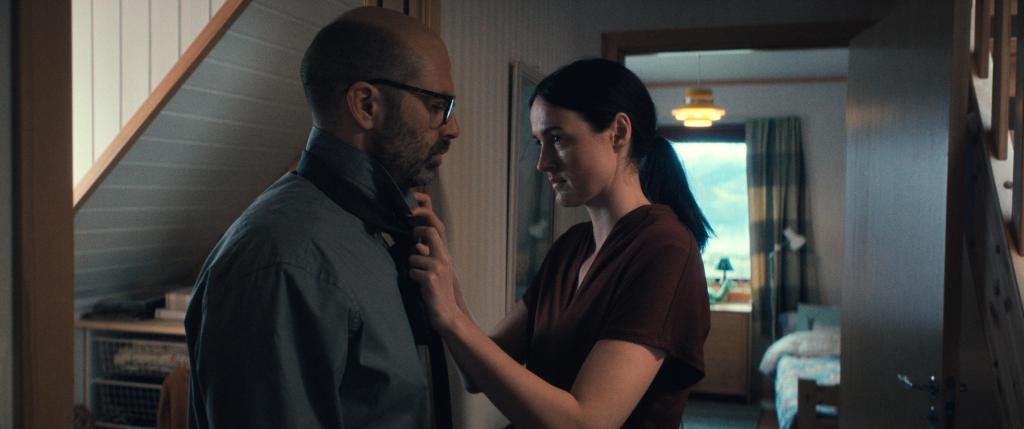
Sebastian Stan and Renate Reinsve give some effective subtle and subdued performances. I wished that they were given more to do though. As previously mentioned, Fjord doesn’t seem that interested in exploring their characters beyond the surface level. Stan gets the most amount to work with in act 1, but it’s Reinsve who overall stands out the most between the two.
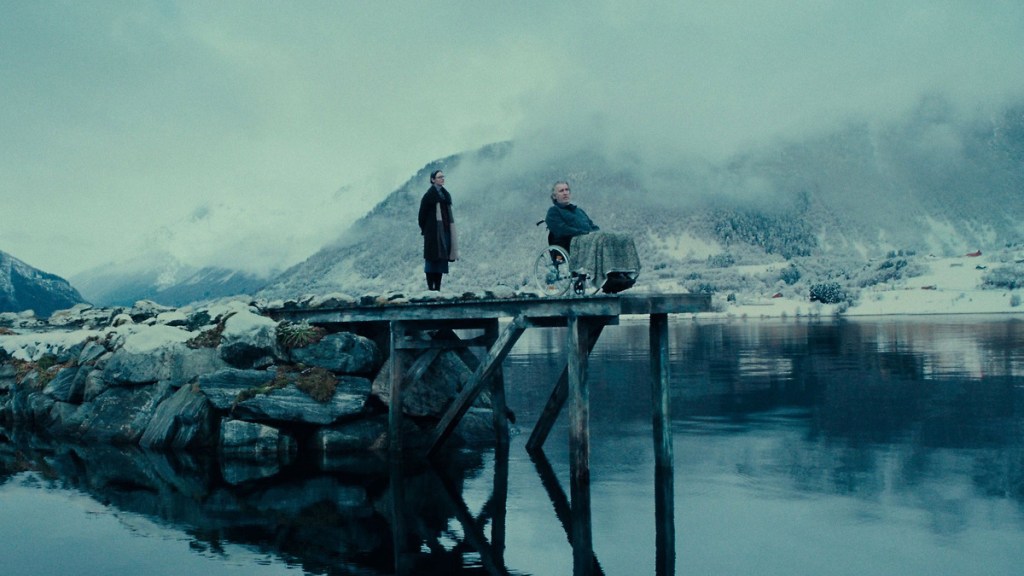
This is the first movie I’ve seen from Cristian Mungiu and on a technical level, it’s pretty good. The camerawork is decent, but it really shines when it gets to show off the landscapes and the environment.
Fjord is an engaging enough and well performed slow burn drama with an initially interesting premise. But it loses momentum fast, is far too distant, surface level, underdeveloped, and is lacking in genuine nuance and complexity.


Leave a comment